
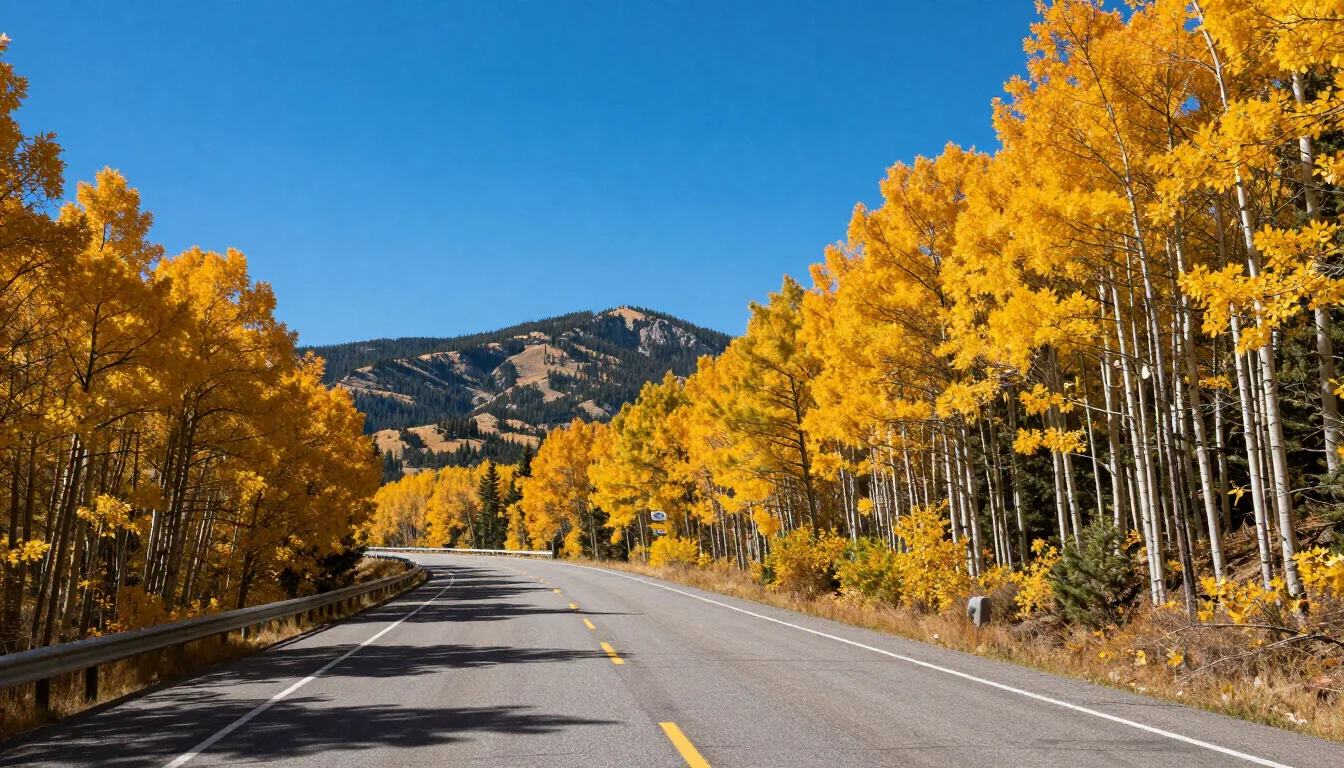
Grand Junction to Denver, Colorado: Drive, Fly or Train
Last reviewed: July 2026
Grand Junction to Denver is 244 miles on I-70, about 4 hours of driving through the Colorado Rockies. You can also fly nonstop in about 1 hour on United, or ride the Amtrak California Zephyr in roughly 7 scenic hours. Winter storms can close I-70 passes, so check conditions.
How long is the drive from Grand Junction to Denver?
The drive is 244 miles and about 4 hours in good weather, climbing over Vail Pass and through Glenwood Canyon. Add time in winter and holiday traffic.
Flights vs train from Grand Junction to Denver
United flies GJT–DEN in about 1 hour, often the fastest option; see flights to Grand Junction. The Amtrak California Zephyr is slower (~7 hours) but one of America’s most scenic rail rides through Glenwood Canyon.
What winter and safety factors should you weigh?
Winter is the deciding factor for many travelers as of July 2026. The I-70 mountain corridor between Grand Junction and Denver crosses Vail Pass and threads Glenwood Canyon, both prone to chain laws, crashes, avalanche-control closures, and rockfall (Glenwood Canyon has closed for extended stretches after slides). A drive that’s 3.5 hours in summer can balloon or become impossible in a storm. Check CDOT’s cotrip.org before leaving, carry an emergency kit and traction devices, and never assume the pass is open. When the forecast looks bad, the 55-minute flight is the safe choice — it flies above the weather that closes the interstate. In summer, the drive is simply gorgeous and low-risk.
How much does each option cost and take?
Rough comparison as of July 2026. Flying United GJT–Denver takes about 55 minutes in the air (budget 3–4 hours door to door with airport time) and fares vary widely, cheapest booked weeks ahead midweek. Driving is 250 miles and 3.5–4.5 hours one way; cost is mainly gas plus wear, so it’s the value pick for a family or anyone who wants a car at both ends, weather permitting. Amtrak’s California Zephyr runs once daily each way, takes roughly 6–7 hours to Denver, and is priced between the two — slower but scenic and relaxing. For time-critical trips choose flying; for scenery or groups, drive or ride the rails.
Where should you stop on the I-70 drive?
If you drive, the route rewards stops. Palisade (10 min in) for a peach or a quick tasting; Glenwood Springs (~1.5 hr) for the world’s largest hot-springs pool and Glenwood Canyon’s riverside rest areas and bike path; the Vail/Avon area for a walkable resort-village lunch; Frisco or Dillon at Lake Dillon for mountain views; and Idaho Springs near the foothills for classic Colorado burgers and pie. Fuel and food thin out on the high stretches, so top off in Glenwood or the ski towns. As of July 2026, always check CDOT (cotrip.org) in winter — Glenwood Canyon and Vail Pass are the choke points, and a single storm or rockfall event can add hours or close the interstate entirely, which is the strongest argument for flying when time is tight.
What is the drive from Grand Junction to Denver like?
The drive is about 250 miles and 3.5 to 4.5 hours east on Interstate 70, one of the most scenic interstates in the country. Highlights in order: the fruit orchards near Palisade, dramatic Glenwood Canyon (a narrow, cantilevered stretch along the Colorado River), the resort corridor of Vail and the Eagle Valley, the climb over Vail Pass (10,600 ft), the Eisenhower–Johnson Tunnels under the Continental Divide at ~11,000 ft, and the final descent through the Front Range foothills. Winter changes everything: as of July 2026 expect chain/traction laws, slow-downs, and occasional closures over Vail Pass and through Glenwood Canyon during storms — always check CDOT (cotrip.org) before you go and allow extra time.
Should you drive, fly, or take the train?
Fly if time matters — United flies GJT–Denver in about 55 minutes several times daily, and it sidesteps mountain-weather risk (see flights). Drive if you want the scenery, flexibility, or to stop in Glenwood Springs or the ski towns; it is cheaper for a group and gives you a car at both ends. Take the train for the experience: Amtrak’s California Zephyr stops in Grand Junction daily and follows the Colorado River through canyons cars can’t reach — it is slower (roughly 6–7 hours to Denver) and schedule-dependent, but the Glenwood Canyon and Gore Canyon views are unmatched. Rent a car once you arrive in either city.
Frequently Asked Questions
Grand Junction to Denver is 244 miles on I-70, about a 4-hour drive through the Rocky Mountains via Glenwood Canyon and Vail Pass.