Living in Grand Junction, Colorado: Safety & Cost
Last reviewed: July 2026
Living in Grand Junction, Colorado means a lower cost of living than Denver, sunny high-desert weather, and quick access to outdoor recreation. It is generally safe, though like many mid-size cities it has property-crime rates above the national average. Housing is more affordable than the Front Range, with a median home near $400,000 in 2026.
Is Grand Junction safe?
Grand Junction is generally safe for residents and visitors. Violent crime is moderate, while property crime runs above the U.S. average — typical of many Western cities. Standard precautions apply; the city is not "dangerous" for tourists.
Cost of living & neighborhoods
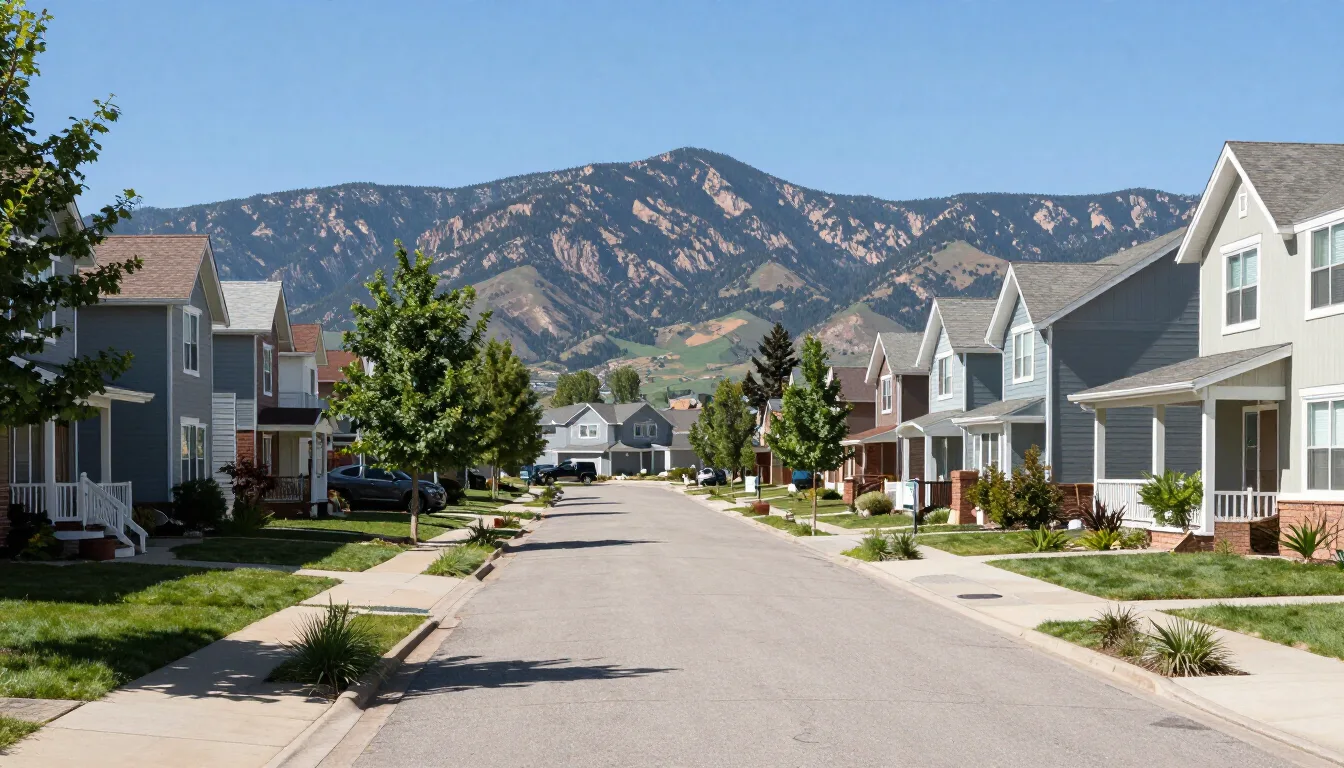
Housing is cheaper than the Front Range, with a median home around $400,000. The Redlands, Orchard Mesa, and downtown areas are popular. Sunny weather and outdoor access are major draws.
How safe is Grand Junction?
For a regional hub of about 100,000 people, Grand Junction is generally considered safe, with crime rates typical of a mid-size Western city rather than a big metro as of July 2026. Most residential neighborhoods, the Redlands, and the downtown core feel comfortable day and night, and violent crime is uncommon; like anywhere, property crime and issues tied to substance use appear more in certain commercial pockets, so use normal urban awareness. Traffic is light and commutes short. The bigger real-world risks for visitors are environmental, not criminal: summer heat and dehydration, flash floods in canyons during monsoon storms, winter ice on mountain drives, and backcountry exposure on trails and rivers. Plan for those and the valley is an easy, low-stress place to visit or live.
What are the neighborhoods and the downsides to weigh?
Popular areas as of July 2026 include historic downtown and the North Avenue corridor near CMU, the scenic Redlands below the Monument (higher-end, great views, quick trail access), Orchard Mesa and the Palisade side for a more rural feel, and newer subdivisions toward Fruita to the west. Honest downsides to weigh before relocating: summer heat regularly tops 100°F, winter valley inversions can trap gray, hazy air for days, wages generally trail Denver, and some specialized shopping, dining, and medical care mean a Front Range trip. Set against that are abundant sunshine, low traffic, cheaper housing than most of Colorado, and world-class biking, hiking, rafting, skiing, and wine country within an hour — the lifestyle trade that draws most transplants.
What about jobs, schools, and healthcare?
The economy leans on healthcare — Intermountain Health St. Mary’s Regional (the largest hospital between Denver and Salt Lake City) and Community Hospital are major employers — plus energy, agriculture, tourism, distribution, and Colorado Mesa University (CMU), which brings students, events, and healthcare/tech training programs. Remote workers have moved in for the lifestyle and lower costs, though local wages generally trail the Front Range. Public education runs through Mesa County Valley School District 51, with private and charter options available; CMU and Western Colorado Community College handle higher ed. Healthcare access is strong for a city this size, but highly specialized care sometimes means a trip to Denver. Weigh it against the payoff: as of July 2026, cheaper housing than most of Colorado and world-class recreation minutes from your door.
What is the cost of living in Grand Junction?
Grand Junction is more affordable than Colorado’s Front Range and mountain towns, though prices have climbed. As of July 2026 the median home price runs meaningfully below the Denver metro and a fraction of resort-town costs, and rents are similarly lower — one of the main draws for people relocating from Denver, California, or Texas. Groceries, gas, and dining sit near the national average. There is no local income tax beyond Colorado’s flat state rate, and property taxes are relatively low. The trade-off is lower average wages than the Front Range; the economy leans on healthcare (St. Mary’s/Intermountain and Community Hospital), energy, agriculture, tourism, and a growing remote-work population.
What is it like to actually live here?
The appeal is lifestyle: 245+ sunny days a year, world-class biking, hiking, rafting, wine country, and skiing all within an hour, plus a walkable downtown and a small-city pace with minimal traffic. Colorado Mesa University (CMU) brings a college-town energy and cultural events. Downsides to weigh: summer heat regularly tops 100°F, winter valley inversions can trap hazy air for days, wages trail big metros, and specialized medical care or big-city amenities sometimes mean a trip to Denver. Neighborhoods range from historic downtown and the Redlands (near the Monument) to newer suburban development in the Orchard Mesa and Fruita areas — see GJ vs Fruita. Overall crime is moderate for a city this size; downtown and residential areas are generally considered safe.
Frequently Asked Questions
Grand Junction is generally safe. Violent crime is moderate while property crime is somewhat above the national average, common for mid-size Western cities. Tourists rarely have issues.